
Understanding Caffeine: From Bold Black Coffee to Gentle Herbal Tisanes
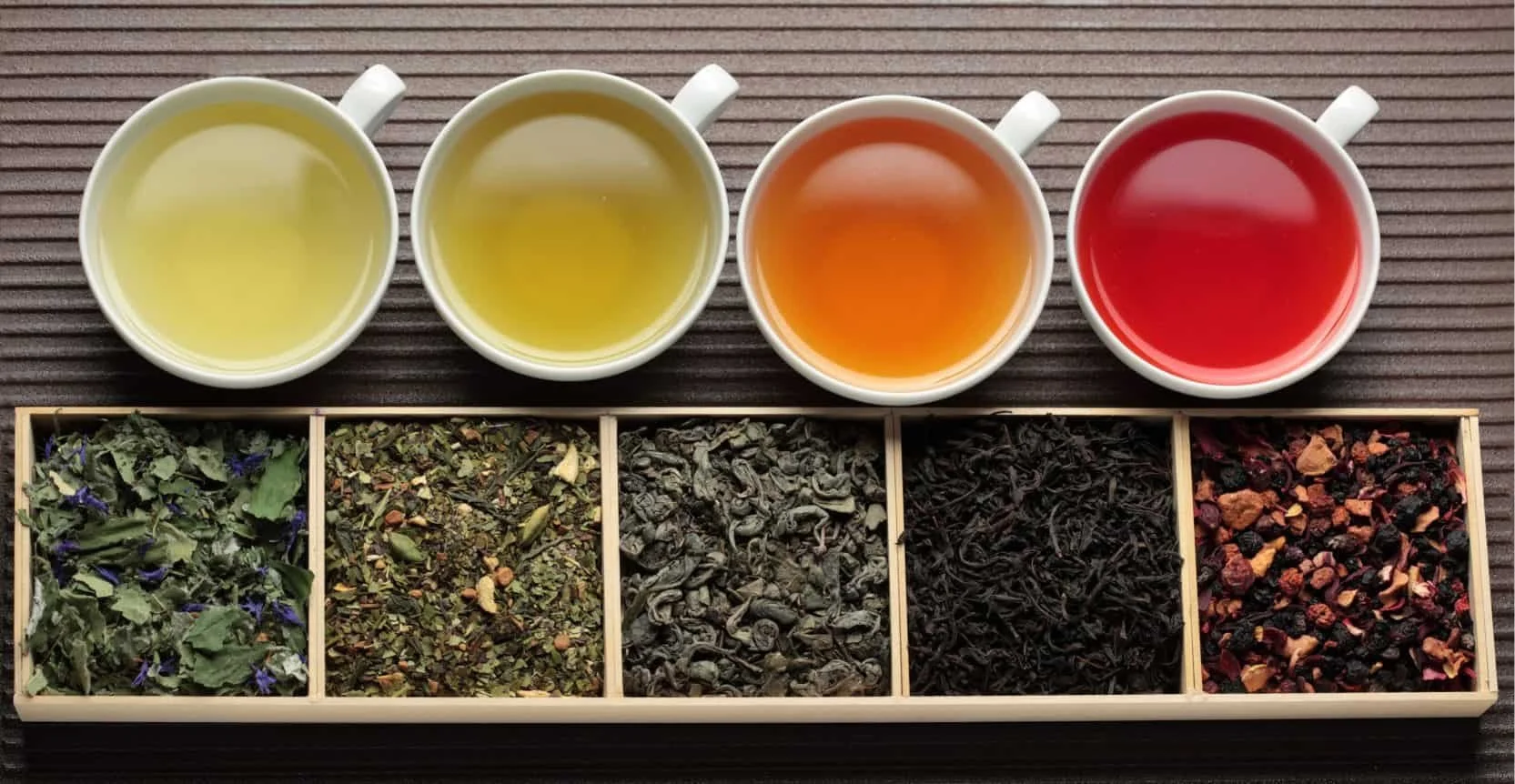
Caffeine is one of the most widely enjoyed natural stimulants in the world, but not all caffeinated drinks are created equal. Whether you’re trying to cut back, stay energized, or simply understand what’s in your cup, knowing how different beverages compare can make choosing your daily drink a whole lot easier.
Let’s break down the caffeine spectrum—from the strongest brews to the naturally caffeine‑free sips—using reliable, up‑to‑date data.
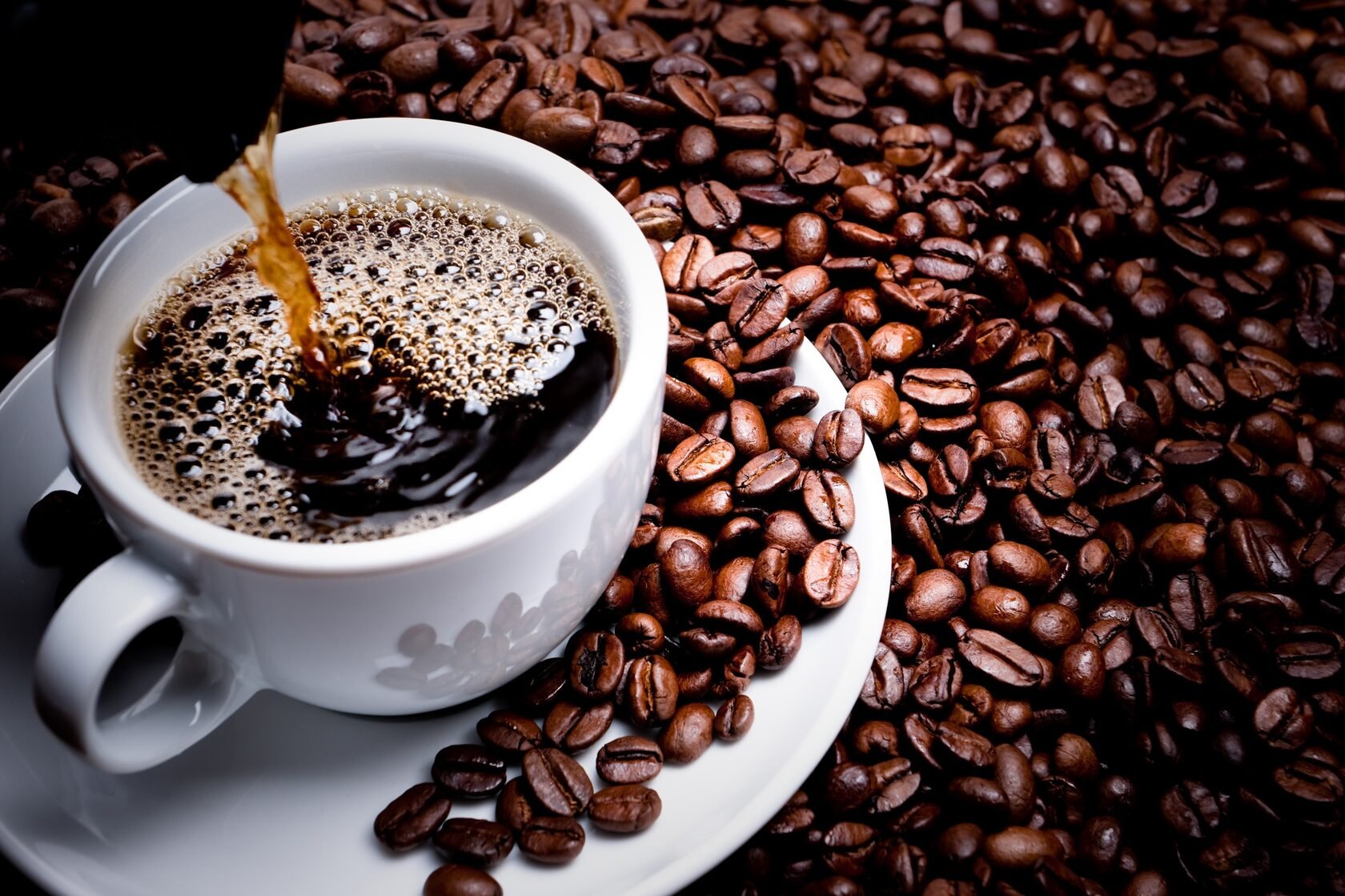
☕ Black Coffee: The Heavyweight Champion
Black coffee contains the highest caffeine content of any common brewed beverage.
95–200 mg per 8 oz cup
Espresso clocks in at 63 mg per 1 oz shot
Coffee’s caffeine hits fast and hard because it absorbs quickly, giving you that familiar jolt. It’s ideal for mornings or whenever you need a strong boost.
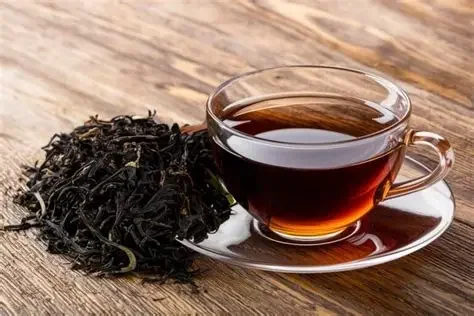
🍂 Black Tea: Strong, Steady Energy
Black tea is the most caffeinated of the true teas (all made from Camellia sinensis).
40–70 mg per 8 oz cup
Even at its strongest, black tea contains about half the caffeine of coffee. Many drinkers find the energy smoother thanks to L‑theanine, an amino acid in tea that promotes calm focus.
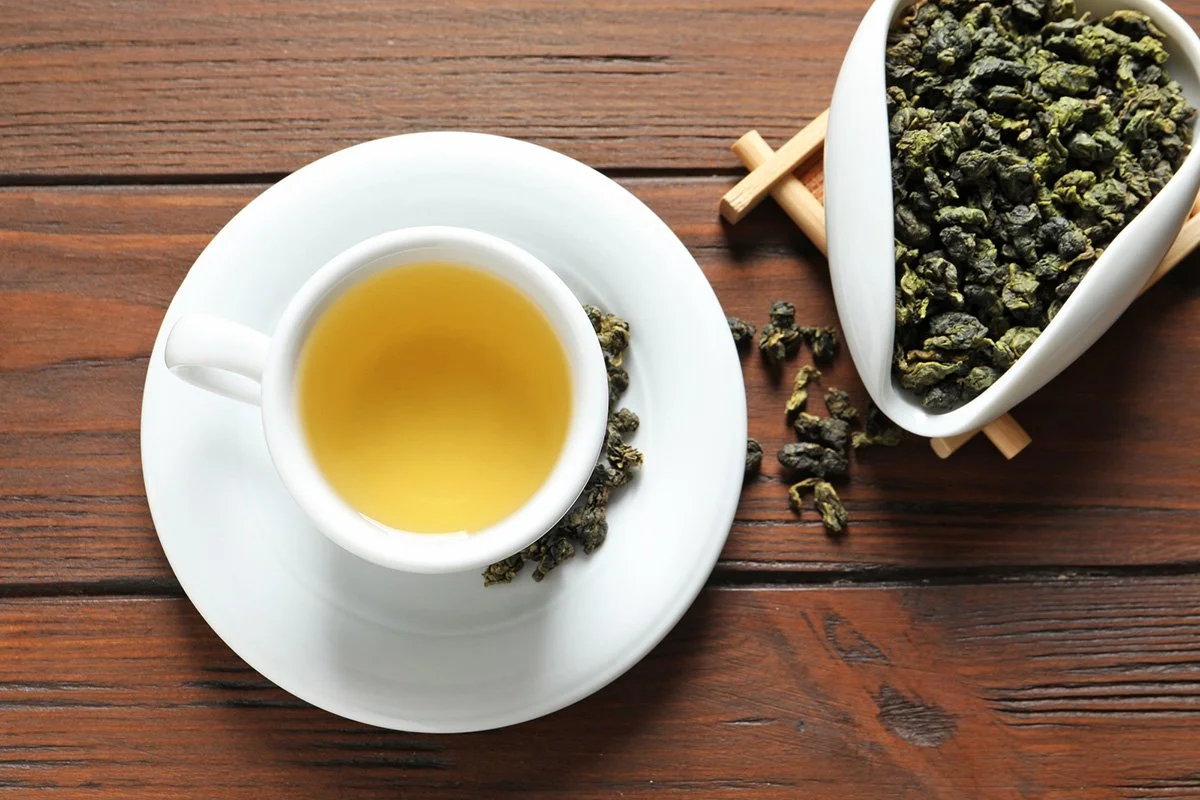
🌿 Oolong Tea: Balanced and Mellow
Oolong sits comfortably between black and green tea.
30–50 mg per 8 oz cup
Its partially oxidized leaves offer a moderate caffeine lift without the intensity of black tea.
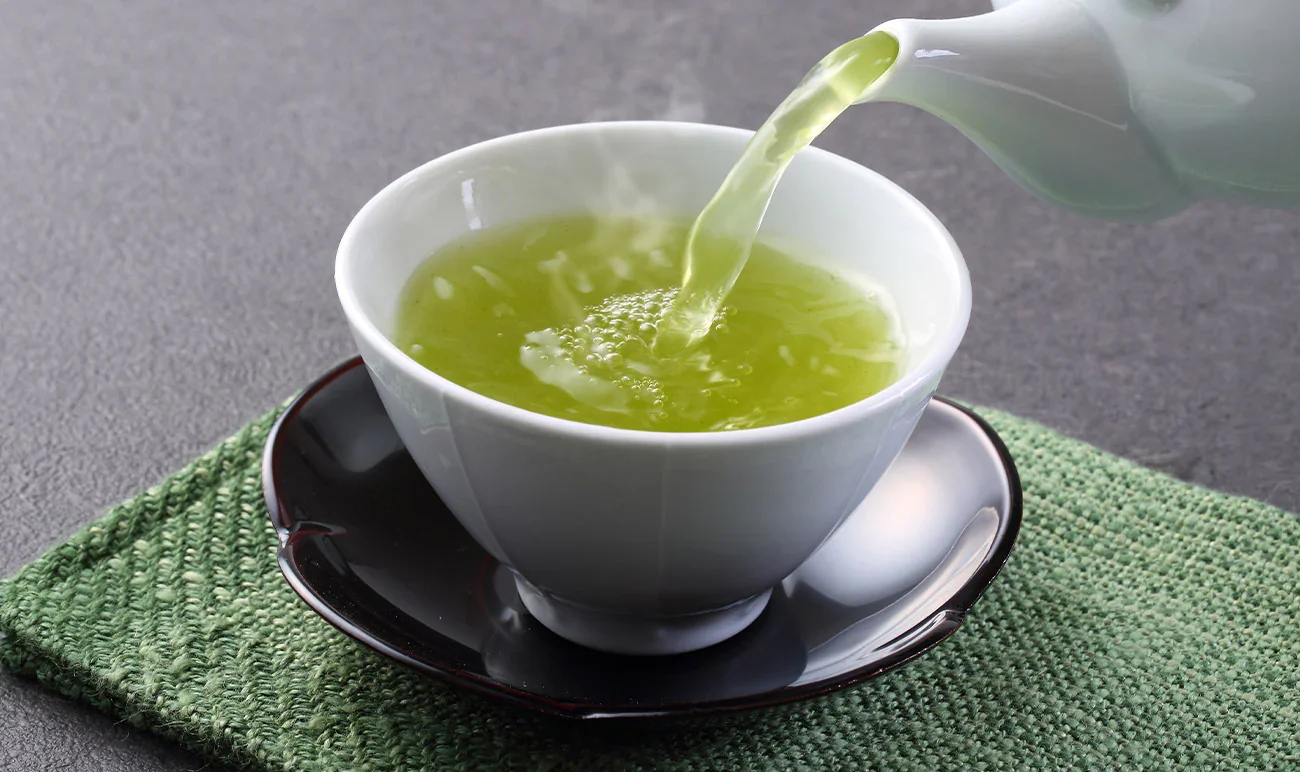
🍃 Green Tea: Gentle, Focused Energy
Green tea is known for its clean, steady caffeine release.
20–45 mg per 8 oz cup
Because green tea also contains L‑theanine, many people experience a “calm alertness” rather than a spike and crash.
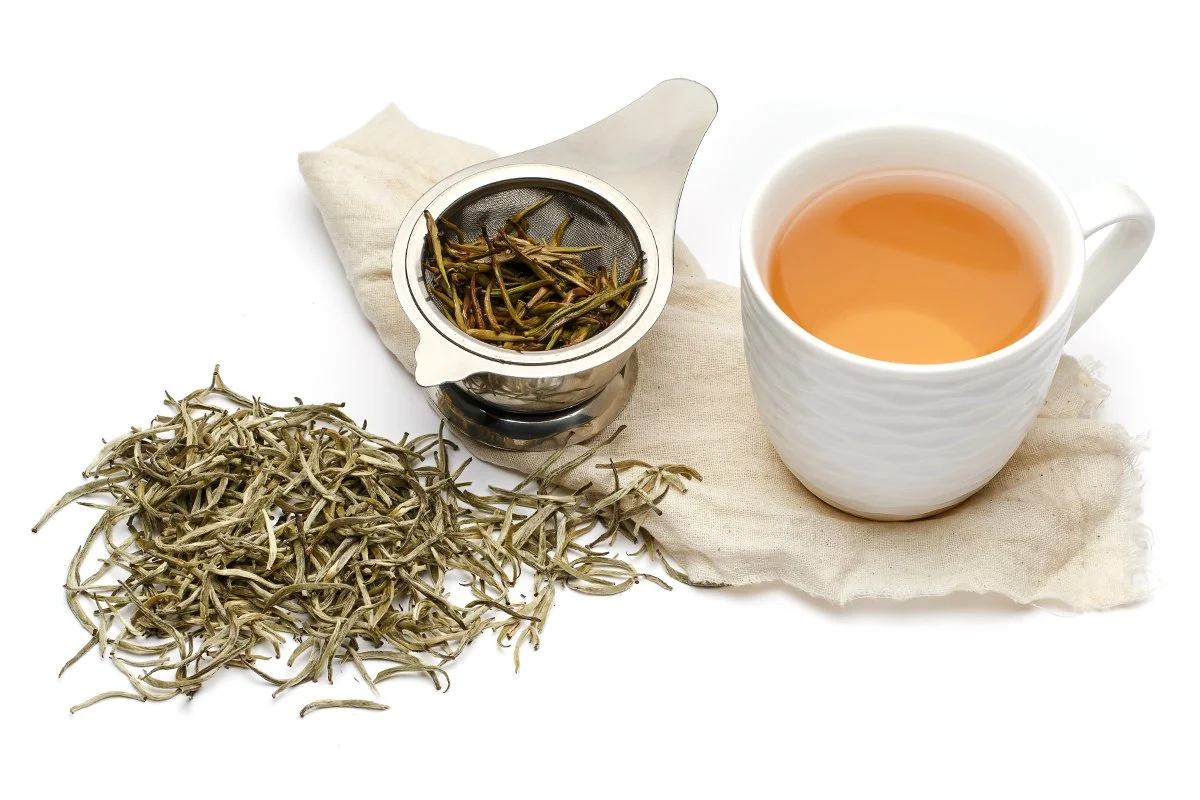
🤍 White Tea: Light and Easy
White tea is minimally processed and naturally lower in caffeine.
15–30 mg per 8 oz cup
It’s a great choice for afternoon sipping or for those who want a mild lift.
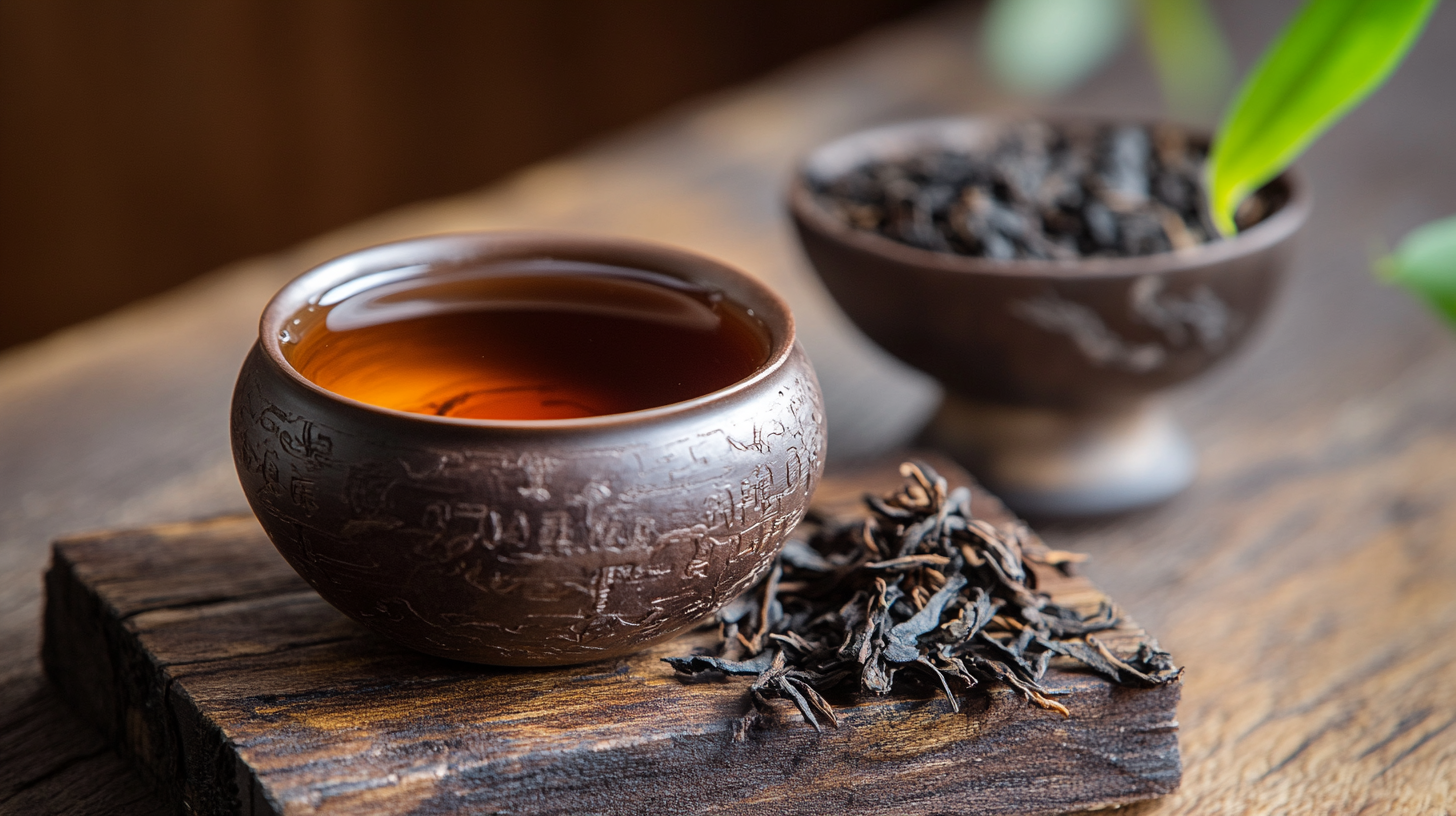
🌱 Pu‑erh Tea: Earthy and Variable
Pu‑erh’s caffeine content can vary depending on age and fermentation.
30–70 mg per 8 oz cup
It can be as strong as black tea or as gentle as oolong, making it a versatile option.
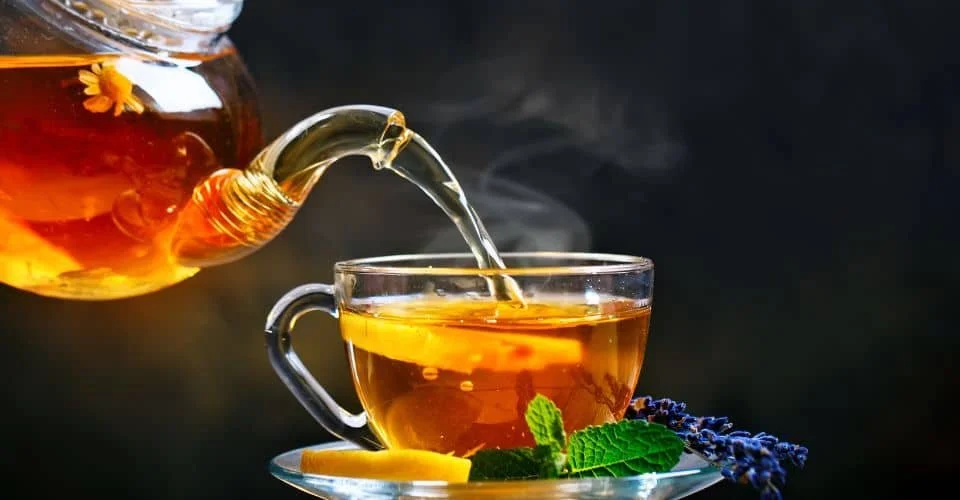
🌼 Decaf Tea: Not Quite Caffeine‑Free
Decaffeinated tea still contains trace amounts of caffeine.
2–5 mg per 8 oz cup
This is a tiny amount, but worth noting for those who are extremely sensitive.
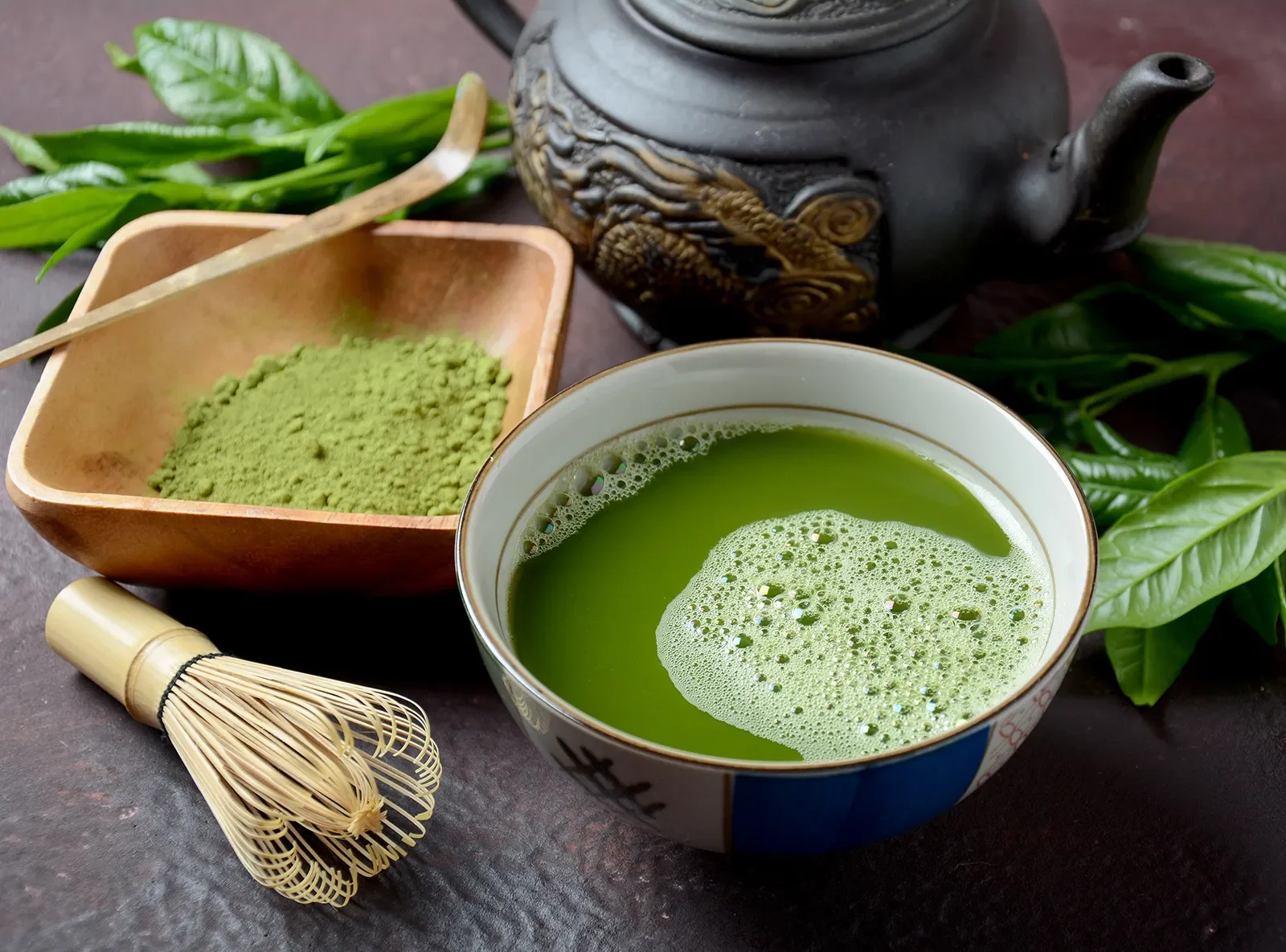
🍵 Matcha: The Green Tea Powerhouse
Because matcha is powdered whole leaf, it delivers more caffeine than typical steeped green tea.
35–70 mg per 8 oz serving
Matcha provides a long‑lasting, focused energy thanks to its high L‑theanine content.
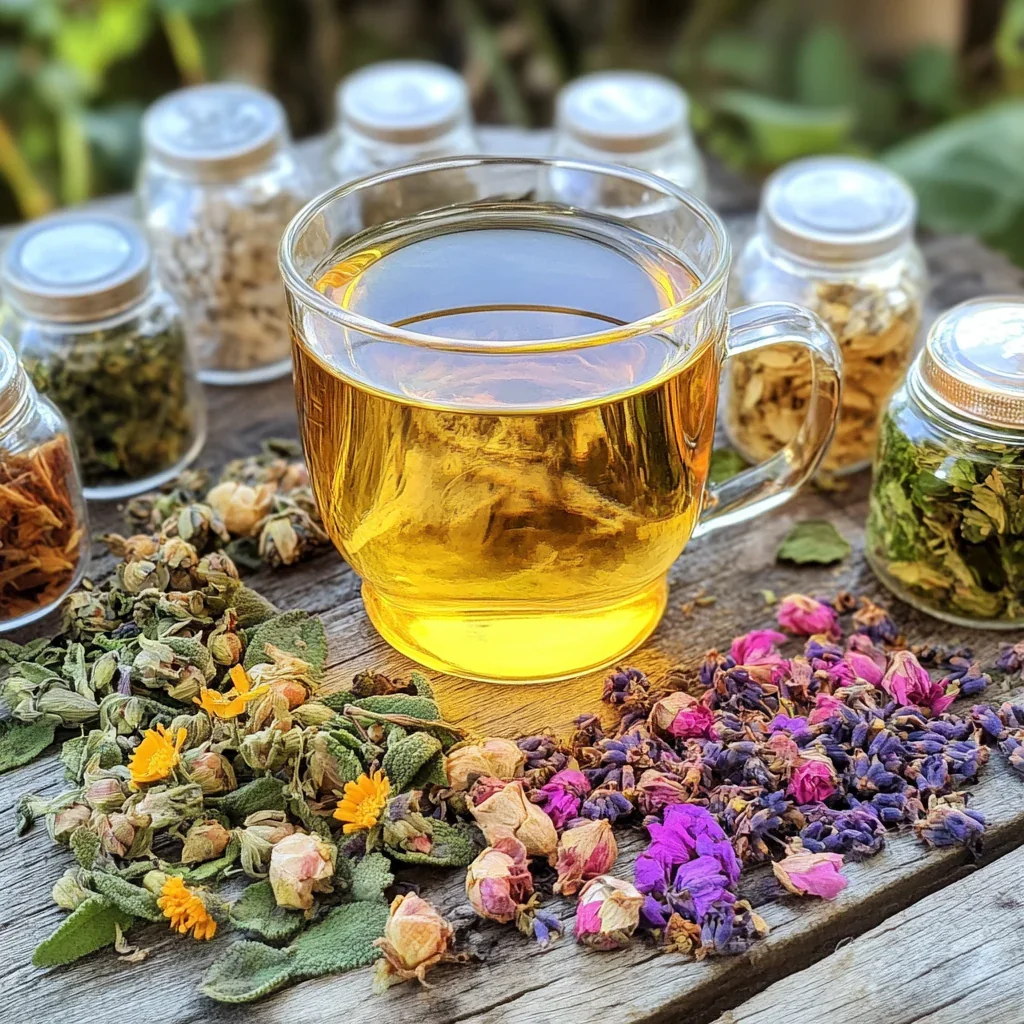
🌺 Herbal Tisanes: Naturally Caffeine‑Free
Herbal blends—like chamomile, peppermint, rooibos, hibiscus, and fruit tisanes—contain 0 mg of caffeine.
Rooibos in particular is a popular coffee/tea alternative with a naturally sweet, earthy flavor and no caffeine at all.
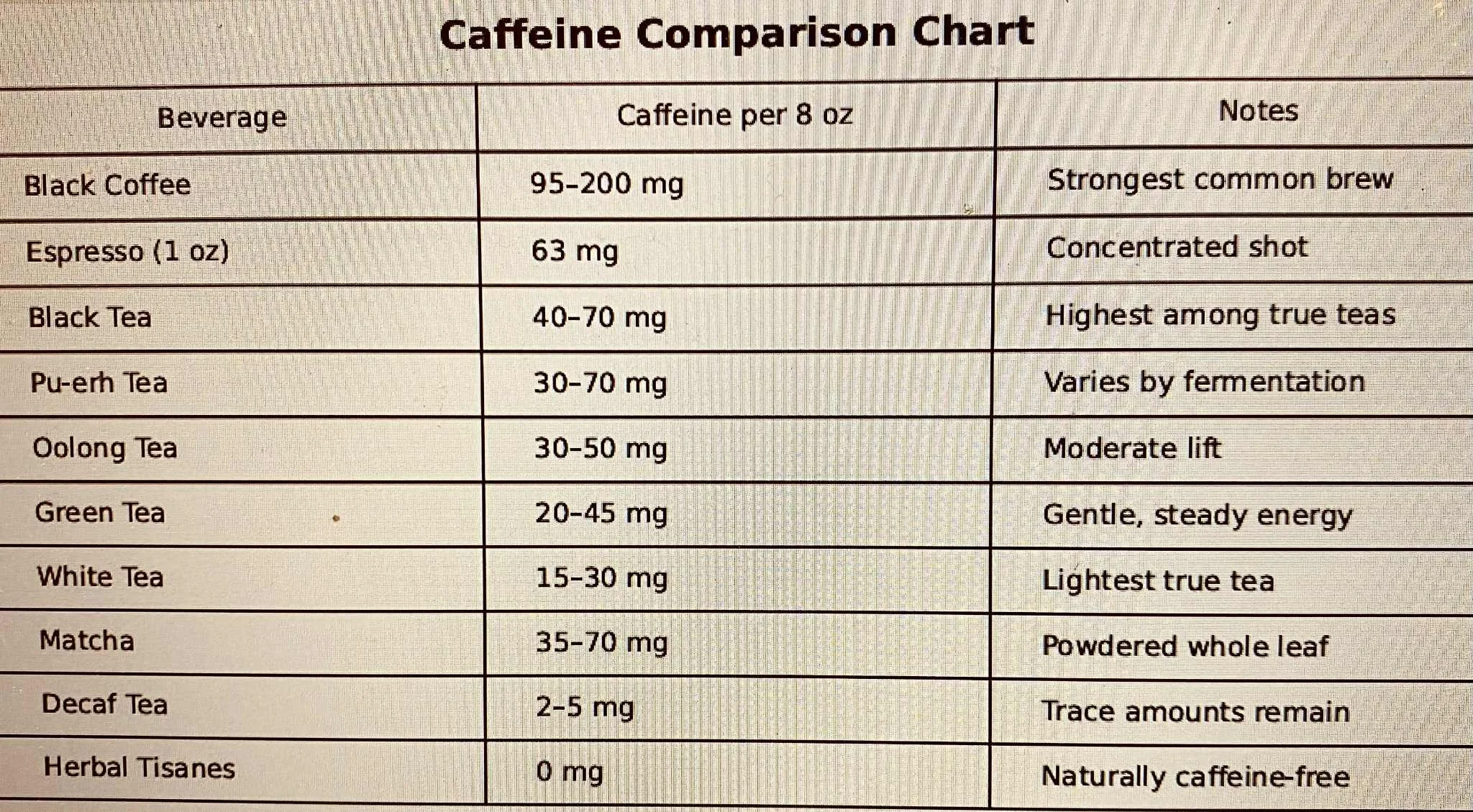
Caffeine Comparison Chart
Final Thoughts
From the bold punch of black coffee to the soothing calm of herbal tisanes, there’s a caffeine level for every mood and moment. Tea offers a wide range of options—with the added benefit of L‑theanine for smoother energy—while herbal blends provide a peaceful, caffeine‑free alternative.