
A Complete Guide To History, Uses and Sourcing Of the Nettle Herb
A Plant Menace
Mmmm… Nettles. Let's think back to vintage summertimes. Sunny days spent outside with friends, nothing to do but head to the creek, or the river, clothed only in swimsuits, shorts and t-shirts, feeling that kid-outside carefreeness, plowing through a field of tall grasses to find a path, and suddenly…something changes.
You start to feel itchy. You try to brush it off, but whoa. The itchiness is getting intense. Holy moly, it is stinging and spreading! It feels like a million little fire ants are chomping away at your skin. Panic!
You start running because you're smack in the middle of a field of whatever this is, and all you can think about is plunging into the water to frantically rub off whatever this burn is!
Yep, I feel you. Good ol' "fire weed." That was also my first introduction to nettles. Back then, I thought the plant was the worst thing aside from chiggors. Alas, there was no appreciation in my young heart for the prickly menace.
Shifting Perspectives on Nettles
But oh, how perspective can change with a little maturity and a bit of knowledge. Nowadays, nettles are one of my favorite plants. In fact, many of my herbalist friends feel the same. When asked why, you might hear statements like, "It's just a magical plant," or "I just love nettles so much." But how does a plant that literally stings when you touch it become a beloved ally for people like herbalists, foodies and those working with natural fibers?
If you missed out on an enduring experience similar to my nettle discovery, let me share a friendlier side of this much maligned and beloved plant.
What Are Nettles
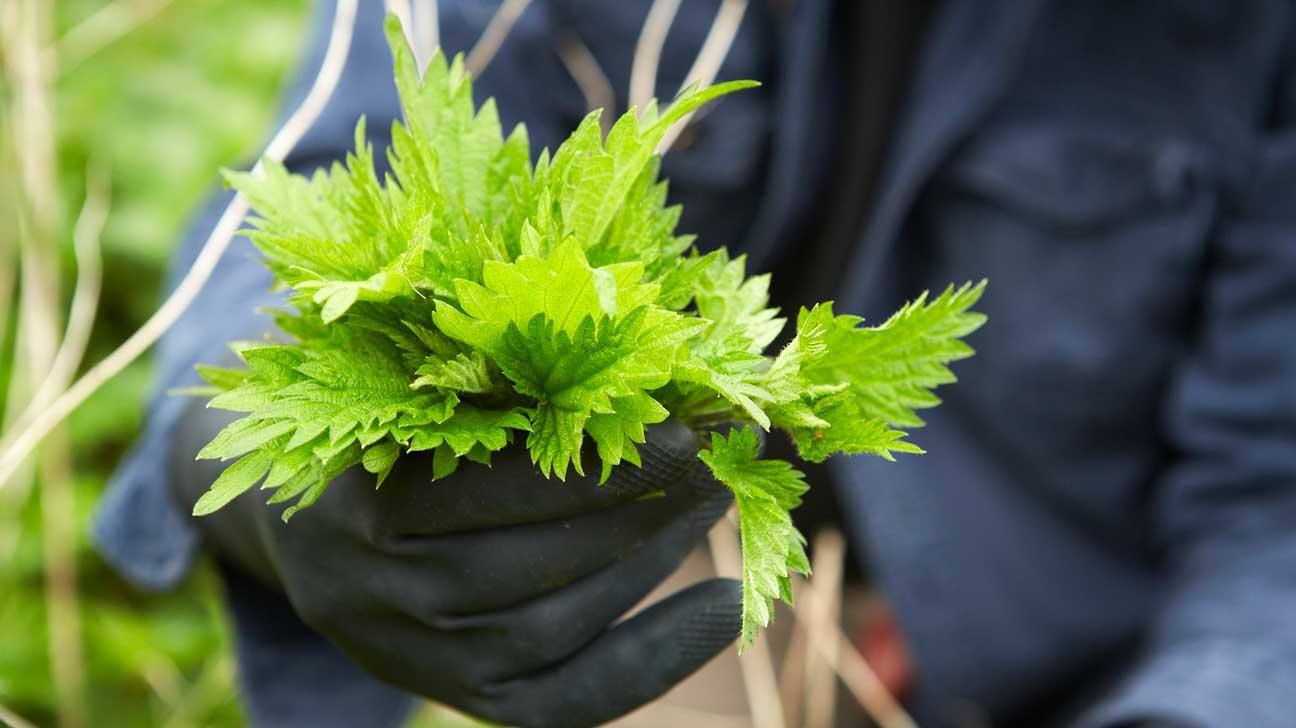
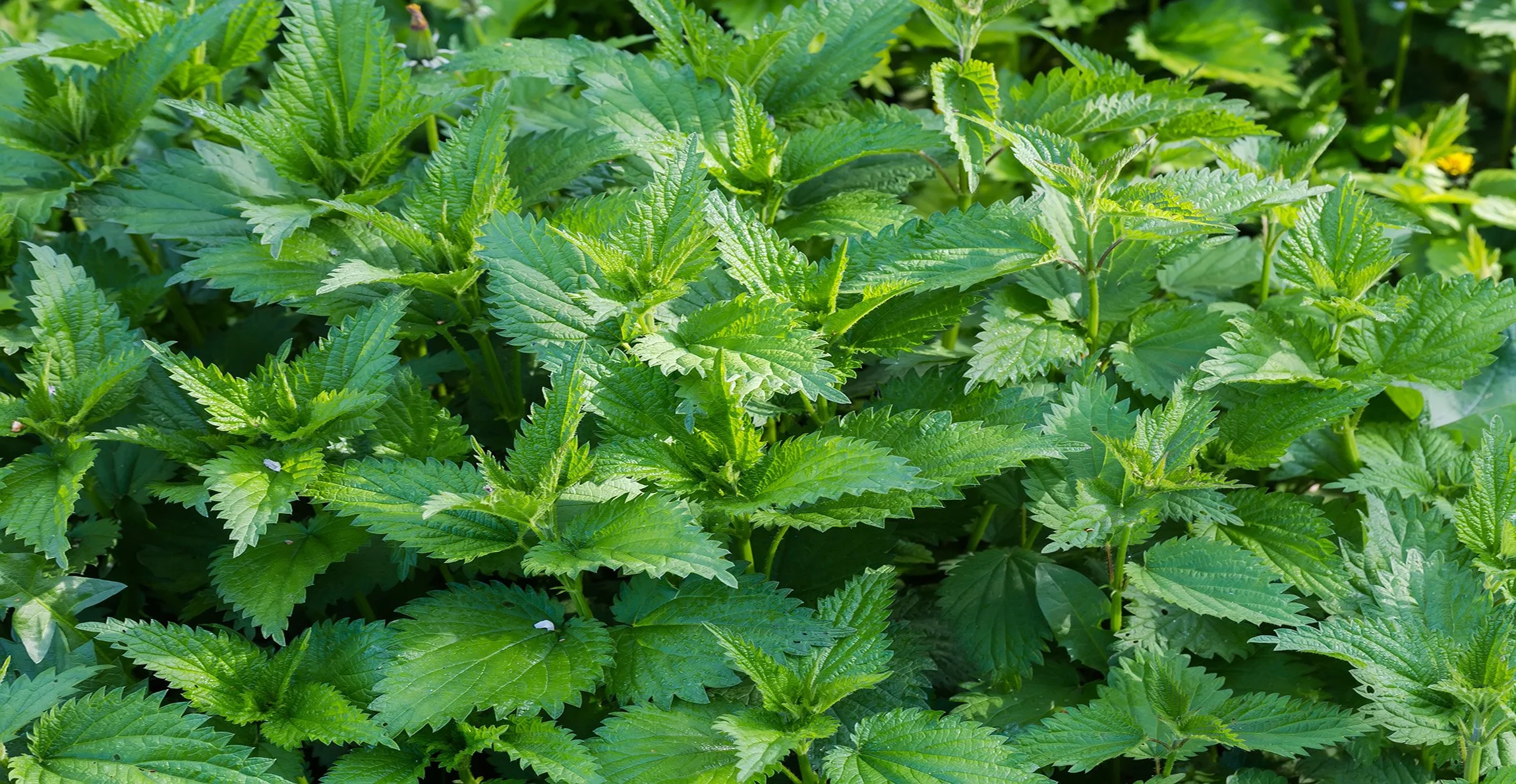
There are three prominent nettle varieties that look alike, are used in similar ways, and all sting.
Stinging nettle (Urtica dioica)
Burning or bush nettle (Urtica urens)
Canadian wood nettle (Laportea canadensis)
Urtica dioca is the one you hear most about from herbalists and foodies and is the variety we carry. It can be mistaken for its shorter, wood nettle cousin, Laportea Canadensis, which is often used more in culinary and fiber practices. Urtica urens, said to have the most intense sting, is often found in homeopathy in the West, but is used more broadly in the East.
The stinging in each nettle variety comes from the little hairs that act like (and are sometimes referred to as nature's example of) hypodermic needles. These little needles cover the leaves and stems of the plant and, upon contact, break and inject a mixture of formic acid, histamine, and acetylcholine into the skin, leaving behind a contact dermatitis resulting in burning, itching, swelling and often pain.
History and Tradition of Nettles
The history of a human/nettle relationship is rich and long. Some British archaeologists and food experts have cited recorded evidence of an 8000-year-old British recipe for nettle pudding. Urtica dioica fibers, it seems from the archaeological record, were used in woven textiles as far back as 3400 BCE. Ancient writers such as Dioscorides, Galen, and Pliny the Elder noted nettles' traditional roles in food and wellness around the first century CE.
Nettles continued to be used throughout history for food, fiber and wellness practice. Today, nettle is still cultivated for these human interactions. We even have modern studies now published on this ingredient.
Why People Love Nettles
Nettle is beloved for the many ways in which people across a spectrum of practices use, consume, experience, share and commune with it. When I first began to venture into the world of herbs, learning about the plants around me and how to partner with them, I was struck by how many plants that I considered "weeds" were actually valued for food and wellness practices. Nettles were one of those weeds to me. As my learning and personal experiences with nettles expanded, I began to love all that this prickly plant had to offer. Every part of the plant, from roots to stems to leaves, has a relational purpose with us humans and thus is endeared by people using them in a variety of practices.
Herbalists value nettles for their long history of traditional use in herbal practices. Foodies love them for their flavor profile and wildness. People who work with natural fibers for textiles and arts use them for their long, strong fibers found in the outer bark of the stalks. They also love the connection they can have to their materials through harvesting and processing wild nettles.
What Are Nettles Good For?
When we ask what a plant is "good for," it is helpful to examine our ideas of what "good for" means. Are we asking only about the benefits of nettle to humans, or do we include the benefits to whole ecosystems? Our human minds often default to the idea that plants must offer tangible, relatable human benefits to us to be useful.
In the case of nettle benefits, we can know that they are not only useful to us, but also beneficial in creating biodiversity, soil enrichment, food for animals and shelter for insect life.
A lesser-known use of nettles, and one that probably falls under the wellness category, is flogging. Yes, this is a real thing. It's called Urtication, a practice in which people tie bundles of fresh plants and literally flog the skin around troubled areas to produce therapeutic results. An ancient tradition that is still widely practiced around the world. To say a participant must be willing and in-tune with a desire to commune with the plant is an understatement. Look it up!
Nettle Recipes
Nettles are versatile in food applications. They can be included in tea blends, consumer packaged goods like soups, salad dressings and even in nutraceuticals or as a dietary supplement.
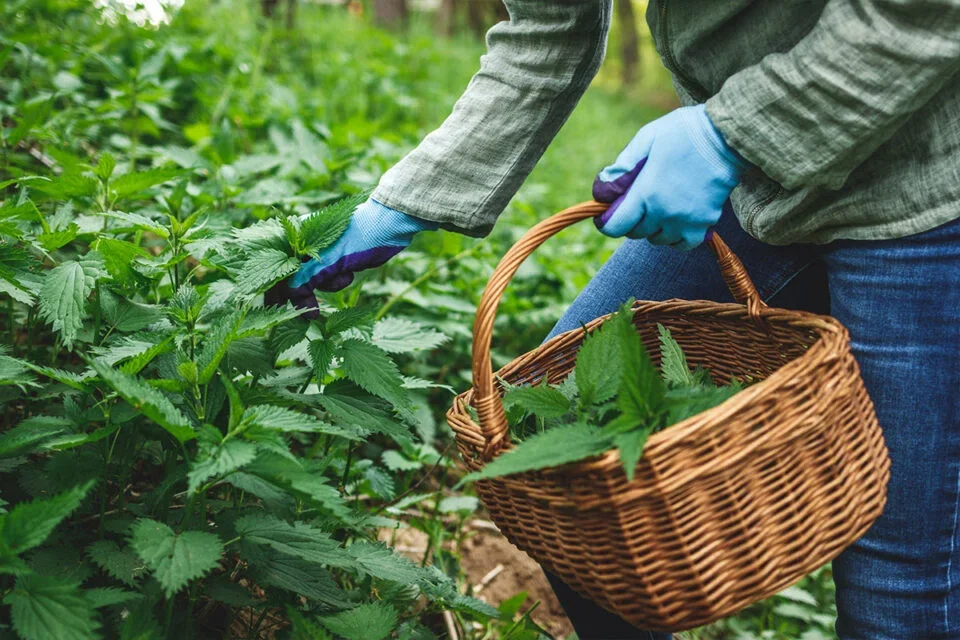
If you venture out to harvest your own, there are different ideas about how to prepare them. Some say you need to heat nettles before consuming to remove the sting, but many use them fresh in their recipes.
If you're not going to use them fresh, you can prepare them for storage by freezing (it's recommended to blanch first in order to freeze with more freshness). For dry storage, you can dehydrate and use them as whole leaves or grind them into a nettle leaf powder.
Nettle Tea
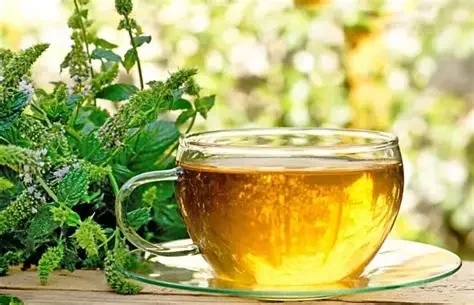
For nettle leaf tea, pour hot water over fresh or dried nettles in a glass mason jar. Let it steep in the fridge overnight. Strain a cup's worth into a saucepan and warm to your liking for a cozy, earthy herbal tea. Nettle tea has been traditionally enjoyed across many cultures, so explore!
Fresh Nettle Pesto
Blend fresh nettle leaves, garlic, pine nuts, olive oil and parmesan cheese to make a tasty, hearty pesto.
Nettle Soup
Replace any green in soup with nettles or simply add them to your existing recipe. This is best with fresh leaves. If you only have dried, make a powder and sprinkle it into your recipe to add to any dish.
You can simmer nettle, garlic, seaweed, and other spices and vegetables to make a soothing, hearty broth.
Nettle Salad Dressing
Infuse apple cider vinegar with nettle leaves for a potent addition to your salad dressings and marinades.
I hope this inspires you to explore this special plant and have your own experiences!
Nettle Herb FAQ
What does nettle tea taste like?
Nettle tea has an earthy "greens" flavor that is akin to green tea.
How do I make nettle tea?
Use fresh or dried leaves, steep in hot water for 2–5 minutes, strain and drink. Nettle tea is good for consuming warm or over ice.
What is nettle good for?
The term "nettle" refers to a family of nettle plants that are valued across ecosystems and traditionally referenced in food, fiber, botanical practices, and shelter (for insects). Nettle is good for tea blends, topical formulations and dietary supplements.